Understanding Rebuilt Titles: Risks, Rewards, and Legal Tips
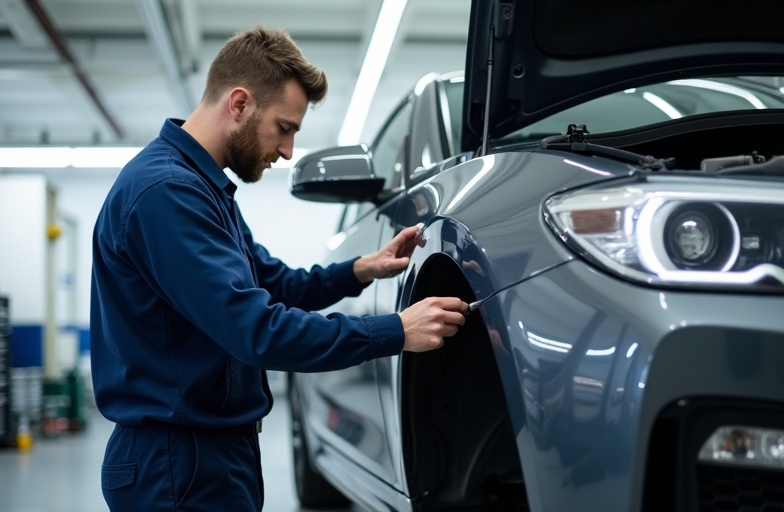
Understanding Rebuilt Titles: Risks and Rewards
Purchasing a vehicle requires careful consideration and thorough research. When exploring the automotive market, buyers often encounter terms that cause confusion and hesitation. One term that frequently surfaces is the rebuilt title. Understanding what this designation means is essential for anyone looking to make a smart financial decision in the used car market.
A rebuilt title indicates that a vehicle previously sustained significant damage, was declared a total loss by an insurance company, and subsequently underwent repairs to become roadworthy again. Knowing the history behind these vehicles allows buyers to navigate the market with confidence. This guide explores the entire process, outlining both the advantages and the potential pitfalls of purchasing these vehicles.
Salvage Versus Rebuilt Titles
The automotive industry uses specific terminology to classify the condition of a vehicle. A salvage title is issued when an insurance company determines that repairing a damaged vehicle would cost more than the actual value of the car. At this stage, the vehicle is typically illegal to drive on public roads.
Conversely, a rebuilt title is granted only after a salvage vehicle undergoes extensive repairs and passes a rigorous state inspection. While a salvage vehicle represents an unfinished project with high risk, a rebuilt vehicle has been legally certified as operational.
The Rebuilding Process
The journey from a wrecked automobile to a roadworthy machine involves several critical steps. First, a mechanic or a specialized repair facility purchases the salvage vehicle. The repair team must document every replacement part and keep detailed records of the restoration work.
Once the mechanical and structural repairs are complete, the vehicle must pass an inspection conducted by a state-approved facility. The inspector verifies that the repairs meet legal safety standards and that no stolen parts were used during the reconstruction. Only after passing this examination does the state issue the new title classification.
The Advantages of Purchasing Rebuilt Vehicles
The primary motivation for considering these vehicles is the significant cost savings. Buyers can often purchase a late-model luxury or performance vehicle for a fraction of the standard retail price. For individuals with a strict budget, rebuilt title cars offer an opportunity to own a reliable mode of transportation without taking on massive debt.
Furthermore, some vehicles receive a salvage designation for reasons other than severe collisions. Hail damage, minor flooding, or cosmetic vandalism can result in a total loss declaration. When professionals repair these specific issues, the resulting vehicle can offer immense value.
Understanding the Risks
Despite the financial benefits, serious risks exist. Hidden damage remains the most significant concern. Structural weaknesses, electrical gremlins, or poor alignment might not be immediately apparent during a test drive. Safety components, such as airbags and crumple zones, might not function correctly if the repair facility used substandard parts.
Additionally, resale value is substantially lower. When the time comes to sell the vehicle, finding a willing buyer can prove difficult, as many dealerships refuse to accept rebuilt title cars as trade-ins.
Inspection and Documentation Guidelines
A thorough inspection is absolutely mandatory. Buyers must review all available documentation before finalizing any purchase. Request the original repair receipts and the state inspection certificate. Obtain a comprehensive vehicle history report to understand the exact nature of the original damage.
Look closely at the panel gaps, the paint matching, and the tire wear. Uneven tire wear often indicates underlying suspension or frame alignment issues. If the seller refuses to provide documentation or discourages a thorough examination, walk away from the transaction.
Seeking Professional Assistance
Relying solely on a personal visual inspection is a mistake. Always hire an independent, certified mechanic to evaluate the vehicle. A professional technician possesses the tools and expertise to identify poor welding, deployed airbag covers, and masked engine issues.
Instruct the mechanic to focus heavily on the structural integrity of the frame and the functionality of the electronic systems. The cost of a pre-purchase inspection is a small price to pay to avoid acquiring a dangerous or defective automobile.
Insurance and Registration Impact
Securing insurance for rebuilt title cars presents unique challenges. Many insurance providers offer only liability coverage for these vehicles, refusing to provide comprehensive or collision policies. The companies view these automobiles as elevated risks due to their complex histories.
Registration procedures also vary significantly by jurisdiction. Some regions require additional paperwork, extra fees, or secondary safety inspections before issuing license plates. Buyers must research local regulations prior to making a commitment.
Common Mistakes to Avoid
A frequent error is rushing the purchasing process because the price seems too good to pass up. Emotional decisions often lead to financial regret. Another common pitfall is failing to verify the reputation of the individual or the dealership that performed the reconstruction. Researching the builder provides insight into the quality of their previous projects.
Buyers also err by ignoring the explanation of the original damage. A vehicle totaled due to rear-end damage is generally safer to purchase than one that suffered severe front-end structural compromise or deep water submersion.
Real World Scenarios
Consider the scenario of a sedan that sustained heavy hail damage. The insurance company declared it a total loss due to the cost of replacing multiple body panels and all the glass. A skilled technician replaced the glass and used paintless dent removal techniques to restore the exterior. The buyer acquired a mechanically flawless vehicle at a massive discount.
Alternatively, imagine a sports car involved in a major front-end collision. The repair shop used cheap, aftermarket parts and failed to properly straighten the frame. The buyer, lured by the low price, soon discovered severe handling issues and electrical failures, resulting in thousands of dollars in unexpected repair bills.
Making Informed Automotive Decisions
Navigating the market for reconstructed vehicles demands patience, extensive research, and a willingness to walk away from questionable deals. By understanding the rigorous repair process, acknowledging the inherent risks, and insisting on professional inspections, buyers can safely navigate this complex segment of the automotive industry. A methodical approach ensures that the pursuit of a great deal does not result in the purchase of a dangerous liability.