Flood Damage Cars: The Hidden Dangers After Auction
Flood Damage Cars: The Hidden Dangers After Auction
Walking through an automotive auction lot, you might see a beautiful sedan sitting with a remarkably low starting bid. The paint gleams under the sun. The interior looks perfectly detailed. For many buyers, the temptation to secure a massive discount is overwhelming. However, that glossy exterior can hide a dark and expensive past.
Vehicles subjected to deep water exposure look completely normal once they dry out and undergo professional cleaning. Buyers often bid with high hopes, only to discover severe mechanical and electrical issues weeks later. Understanding the risks associated with flood damaged cars will save you from making a devastating financial error. This guide provides the practical knowledge needed to spot hidden water damage and make informed decisions on the auction floor.
How Vehicles Encounter Deep Water
Cars end up submerged for various reasons. Hurricanes and coastal storm surges account for a large percentage of flooded vehicles. Flash floods in low-lying suburban areas also trap automobiles before owners can move them to higher ground. Sometimes, drivers mistakenly attempt to cross flooded roadways, stalling the engine mid-water.
Once the water recedes, insurance companies usually declare these vehicles a total loss. They are then sent to auction yards. While salvage titles should legally disclose this history, unscrupulous rebuilders often wash the titles by transferring them across state lines.
Why Buyers Underestimate the Damage
Water does not bend metal or shatter glass. Because a submerged vehicle lacks the crushed bumpers and deployed airbags of a collision vehicle, buyers assume the damage is minimal. They believe replacing a few carpets and changing the oil will restore the automobile to perfect working order. This assumption is dangerously incorrect. Modern automobiles rely on complex networks of computers and sensors. Water, especially saltwater, acts as a silent destroyer that slowly corrodes these vital components.
The Silent Threats Lurking Inside
The true cost of water exposure reveals itself over time. The immediate issues might seem solvable, but the long-term deterioration is unstoppable.
Electrical System Failures
Modern vehicles contain miles of wiring and dozens of electronic control modules. When water breaches these systems, it causes immediate short circuits. Even if the computers function initially, the trapped moisture creates ongoing electrical gremlins that mechanics struggle to diagnose.
Pervasive Mold and Mildew
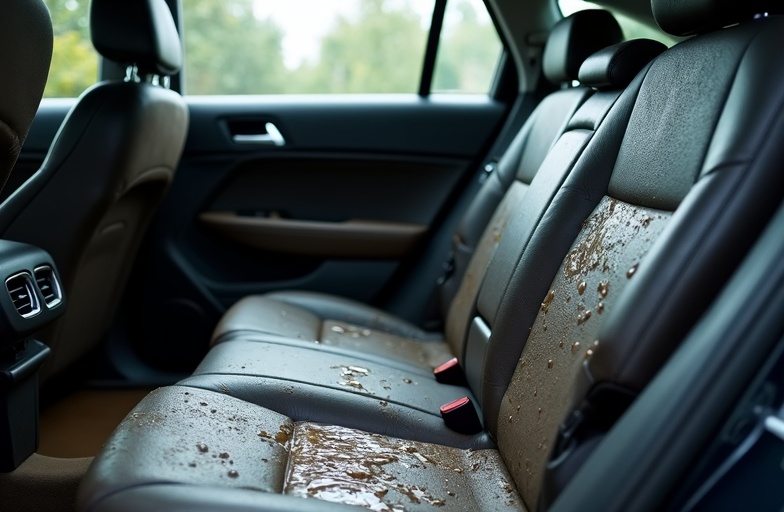
Water seeps into the foam of the seats, the insulation beneath the carpet, and the ventilation ducts. Cleaning the surface does nothing to remove the moisture trapped deep inside. Within weeks, toxic mold spores multiply, creating a hazardous environment for any passenger.
Severe Corrosion
Freshwater causes rust, but saltwater accelerates the oxidation process exponentially. Vital structural components, brake lines, and suspension parts will corrode from the inside out, compromising the structural integrity of the automobile.
Effects on Resale and Insurance
Purchasing one of these vehicles impacts your wallet far beyond the initial repair costs. Most major insurance carriers refuse to provide comprehensive or collision coverage for cars with a flood brand on their title. Furthermore, traditional dealerships will not accept them as trade-ins. When you decide to sell the automobile, you will struggle to find a private buyer willing to take on the associated risks.
Step-by-Step Inspection Guidelines
Protecting yourself requires a thorough, methodical inspection before you place a bid. Bring a flashlight and prepare to get your hands dirty.
Check the Wiring
Look under the dashboard and examine the exposed wire harnesses. If the copper wires look green, or if the plastic connectors feel brittle and show signs of white powder, water has penetrated the system.
Inspect the Interior
Pull the seatbelts all the way out. Moisture and mud often stain the lowest sections of the belt fabric. Smell the interior carefully. A heavy scent of pine air freshener or bleach usually indicates someone is masking the smell of mildew.
Search for Water Lines
Look inside the headlamps and taillights. Water leaves a distinct foggy line or debris ring on the reflective plastic. Check the spare tire well in the trunk for standing mud or rust flakes.
Examine the Engine and Fluids
Pull the oil dipstick. If the oil resembles a milky, chocolate milkshake, water has breached the engine block. Check the paper air filter; a warped or water-stained filter is a massive red flag.
Identifying Easy-to-Miss Indicators
Rebuilders know how to clean the obvious areas. You must look where the detailers forget to clean. Run your fingers along the seat tracks bolted to the floor. Untreated raw steel rusts instantly when submerged. Look under the dashboard for rust on the exposed steering column joints. Inspect the heads of the unpainted screws in the center console for sudden oxidation.
When to Buy and When to Walk Away
Is it ever wise to purchase flood damaged cars? The answer depends on your mechanical skill level and your intended use.
If you need a reliable daily commuter for your family, avoid these vehicles entirely. The risk of a sudden highway stall is too great. However, if you are building a dedicated track car, or if you need a donor vehicle for body panels and glass, the low auction price might justify the purchase.
Frequent Errors Made on the Auction Floor
Many novice buyers fail to run a comprehensive vehicle history report. A simple database check often reveals the true past of the automobile. Another common mistake is bidding based solely on photographs. Digital images hide rust, mask smells, and conceal electrical warning lights on the dashboard. Never bid without conducting an in person inspection or hiring a third party inspector.
Real-World Examples of Water Damage
Consider a buyer who purchased a luxury SUV from a coastal auction. The vehicle ran perfectly for two months. Suddenly, the airbags deployed while the vehicle was parked, and the transmission locked in first gear. The salt from a storm surge had slowly eaten through the main wiring harness. The replacement cost for the harness exceeded the value of the vehicle.
Another buyer acquired a compact sedan for a fraction of its retail value. Despite rigorous cleaning, the heater blew spores into the cabin during winter, causing severe respiratory issues for the driver. The entire dashboard and climate control system required replacement.
Minimizing Your Risk at the Auction Block
Navigating an automobile auction requires extreme caution and a skeptical mindset. While the low prices are alluring, the financial burden of repairing a waterlogged vehicle will quickly erase any initial savings. By understanding how water destroys modern mechanical systems and knowing exactly where to look for hidden signs of moisture, you can protect your investment. Always prioritize a rigorous physical inspection, demand a full history report, and know when to walk away from a deal that seems too good to be true.