5 Vehicle History Report Red Flags to Watch For
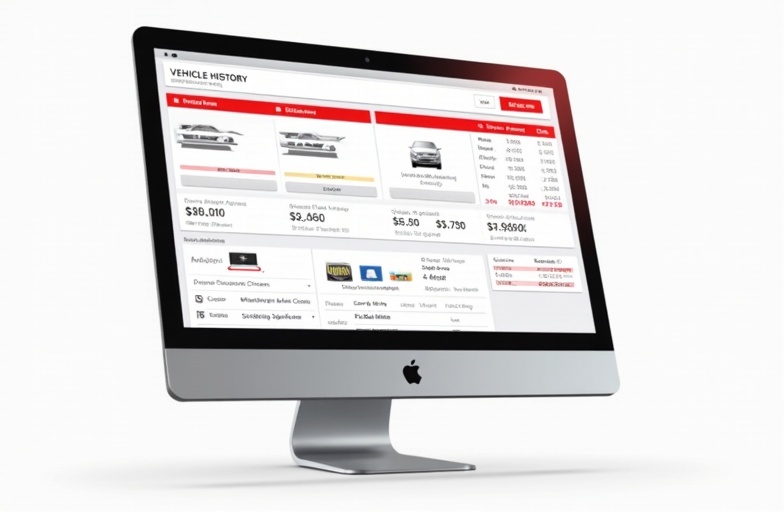
5 Warning Signs Hidden in Vehicle History Reports
Buying a used car carries inherent risks. A shiny exterior and a smooth test drive can hide serious mechanical nightmares. Smart buyers rely on detailed documentation to reveal the true past of an automobile. Understanding vehicle history report red flags is essential for protecting your investment.
These documents act as a financial and safety shield. They compile data from state departments of motor vehicles, insurance companies, and repair facilities. A clean summary provides peace of mind, but a problematic file signals severe trouble.
We will explore five critical warning signs that demand your attention. By learning how to interpret this data, you avoid purchasing a money pit.
Decoding the Past of an Automobile
Before examining specific warnings, buyers must understand what these documents contain. A standard dossier includes registration details, recorded mileage, accident reports, and service logs. It tracks the life of the machine from the factory floor to the dealership lot.
1. Severe Title Brands
A branded title is the loudest alarm bell in automotive sales. State agencies issue salvage or rebuilt titles when an insurance company declares a vehicle a total loss. This usually happens after a severe collision, fire, or flood.
Water damage is especially insidious. Flood water destroys electrical systems and causes deep structural rust. Even if the engine runs well today, corrosion will inevitably cause catastrophic failures down the road. If you see a salvage brand, immediately look for another option.
2. Inconsistent Mileage Tracking
Odometer rollback remains a common fraudulent practice. Dishonest sellers manipulate the mileage to artificially inflate the financial value of the automobile.
Review the recorded mileage at each inspection and emission test. The numbers should show a logical, steady increase over time. If a record shows 80,000 miles in 2018 but drops to 50,000 miles in 2021, you have found a major issue. This discrepancy strongly suggests tampering.
3. Structural Damage and Major Accidents
Minor fender benders happen frequently and rarely ruin a solid machine. However, reports indicating structural or frame damage require immense scrutiny.
A compromised frame means the vehicle cannot protect occupants properly during a subsequent crash. Furthermore, cars with severe accident histories often suffer from alignment problems and uneven tire wear. When you spot these vehicle history report red flags, demand documentation of the repair work or abandon the purchase entirely.
4. Rapid Ownership Changes
A reliable car usually stays with one owner for several years. Multiple owners over a short duration indicate an underlying, unresolvable problem.
Consider a scenario where a sports sedan changes hands four times in two years. Each buyer likely discovered a massive mechanical fault, grew frustrated with expensive repair bills, and quickly sold the burden to someone else. Let someone else deal with that headache.
5. Missing Service Records
Regular maintenance is the lifeblood of any engine. Frequent oil changes, timing belt replacements, and fluid flushes keep internal components running smoothly.
A complete lack of service entries is highly suspicious. While some owners perform maintenance themselves, most rely on professional shops that report their work to national databases. A missing service history means the mechanical health of the engine is a total mystery.
Verifying the Facts
Do not trust a single sheet of paper blindly. Cross-reference the provided document with other sources. Contact the maintenance shops listed in the file to confirm the work was actually performed. Ask the seller for physical receipts to verify the timeline.
Merging Data with Physical Inspections
A document only tells half the story. You must combine data analysis with a rigorous physical inspection. Hire an independent mechanic to put the car on a lift. A trained technician can spot fresh undercoating hiding rust, mismatched paint panels indicating unreported crashes, and leaking engine seals.
Errors Buyers Make
Many consumers glance at the top summary and ignore the detailed pages. They see a green checkmark and assume everything is perfect. Another common error involves relying on a report provided by a shady seller. Always purchase your own document using the vehicle identification number to ensure total authenticity.
Knowing When to Walk Away
Patience is your greatest asset during negotiations. Never fall in love with a piece of metal. If the seller refuses an independent inspection, or if the document reveals flood damage, walk away immediately. There are millions of used cars on the market. You will find a better, safer alternative.
Securing a Safe Purchase
Navigating the used automotive market requires diligence and skepticism. By watching for these vehicle history report red flags, you shield yourself from dangerous and expensive mistakes. Prioritize thorough research, demand mechanical inspections, and never compromise on safety. Your future self will thank you for being rigorous today.