The Complete Engine Swap Guide for Car Modifications
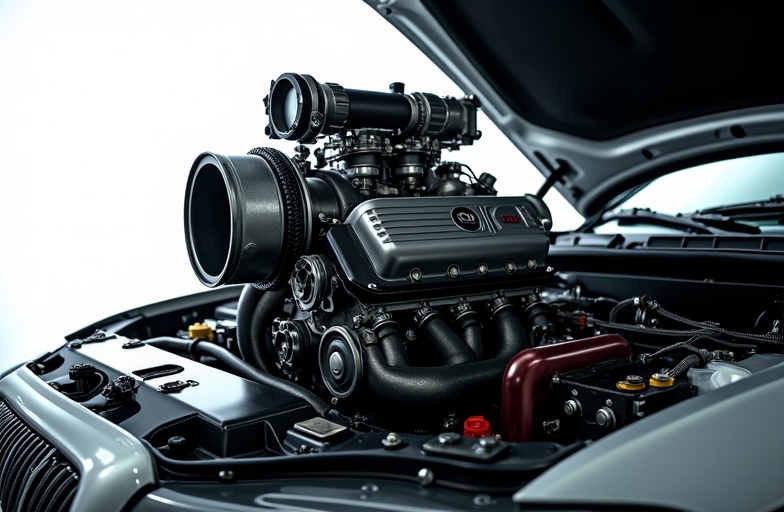
The Ultimate Engine Swap Guide
Automotive modification often culminates in replacing the original powerplant. An engine swap involves removing the factory motor and installing a completely different unit. Builders undertake this monumental task to unlock higher horsepower limits, improve overall vehicle reliability, or create a truly unique driving experience. Reading a reliable engine swap guide provides a fundamental roadmap for navigating this highly complex mechanical journey. Understanding the intricacies of the process separates a successful garage build from an abandoned project.
Primary Reasons for Upgrading Your Motor
Performance gains stand as the primary motivation for most mechanics. A larger displacement motor or a turbocharged unit drastically changes vehicle acceleration and top speed.
Reliability also plays a major role in the decision process. Older powerplants often fail repeatedly, making a modern replacement highly attractive for daily driving duties.
Furthermore, building a unique machine helps a driver stand out at automotive events. Seeing an unexpected power source under the hood of a classic chassis always generates excitement and conversation among automotive enthusiasts.
Different Categories of Replacements
Upgrading within the same manufacturer family presents the easiest path for modification. Bolting a larger motor from a similar model often utilizes factory mounting points and familiar electrical connections.
Cross-brand replacements require extensive custom fabrication. Mating a Ford motor to a Nissan chassis demands custom brackets, altered driveshafts, and completely new fluid routing.
Dropping a modern, fuel-injected motor into a classic automobile offers the best of both worlds. The driver enjoys vintage aesthetics combined with modern dependability, seamless cold starts, and improved fuel economy.
Step-by-Step Overview of the Process
Planning and Dimensional Checks
Thorough planning dictates project success. Always measure the engine bay meticulously before purchasing a donor motor. Check the width between the strut towers and the distance from the firewall to the radiator core support.
Choosing the Right Powerplant
Selecting the correct motor requires researching physical dimensions and overall weight. A massive iron block could ruin the handling characteristics of a lightweight sports car. Aluminum blocks offer excellent weight savings.
Custom Mounts and Fitment
Custom metal mounts secure the engine block to the factory subframe. Clearances around the steering shaft and brake booster demand careful attention. The drivetrain must sit at the correct angle to prevent excessive vibration during operation.
Wiring Harnesses and ECU Integration
Wiring and computer integration represent the most difficult hurdles for amateur builders. The engine control unit must communicate with various sensors to maintain optimal air and fuel ratios. Standalone management systems simplify the process by completely bypassing the original factory computers.
Upgraded Cooling and Exhaust Systems
Factory radiators cannot handle the increased heat output of a significantly larger motor. Upgraded aluminum radiators and high-flow water pumps ensure safe operating temperatures. Custom exhaust fabrication ensures proper gas flow and routes heat away from sensitive electrical components.
Legal and Registration Considerations
Emissions compliance varies wildly by geographic location. Research local regulatory laws before purchasing a donor motor. Registration offices often require a thorough physical inspection to verify the engine serial number and confirm the presence of mandatory emissions equipment. Failing to research local laws can result in an unregistrable vehicle.
Cost Factors and Smart Budgeting
Budgeting requires absolute realism. The motor itself only accounts for a fraction of the total expense. Wiring harnesses, custom driveshafts, upgraded fuel pumps, and fabrication labor escalate the final bill rapidly. Always add a significant contingency fund to your initial budget to cover unexpected broken parts or missing hardware.
Overcoming Common Mechanical Challenges
Clearance issues frequently arise during the initial test fitment. Oil pans might strike the steering rack, or the intake manifold could contact the hood. Overcoming these frustrating hurdles requires strategic cutting and precise welding. Do not rush the fabrication phase. Take the necessary time to engineer safe and robust solutions.
Critical Safety Considerations
More power demands better brakes and stiffer suspension components. The factory chassis must handle the additional torque without twisting or bending. Upgrading the brake calipers and installing stiffer sway bars ensures the vehicle remains controllable at elevated speeds.
Real World Scenarios and Examples
Placing a Chevrolet LS V8 into a Mazda RX7 chassis creates a highly capable track weapon. The V8 provides reliable low-end torque, eliminating the frequent maintenance concerns associated with rotary powerplants. This specific modification remains incredibly popular because aftermarket companies offer complete bolt-in kits, significantly reducing fabrication time.
Insights from Experienced Builders
Professional workshops advise home mechanics to double their initial budget expectations. Taking shortcuts with electrical wiring always leads to frustrating roadside breakdowns. Establishing proper grounding points prevents electrical nightmares and erratic sensor readings. Labeling every single wire during the disassembly phase saves countless hours during the final reassembly process.
Best Practices for a Successful Build
Preparation ensures a successful automotive build. This engine swap guide outlines the core fundamentals, but every individual project requires specific research and dedication. Take detailed photographs of every component before removing any bolts. Join online forums dedicated to your specific vehicle chassis to learn from the mistakes of previous builders. Building a heavily modified vehicle demands immense patience, but firing up the new motor for the very first time makes the entire struggle worthwhile.